How the Ford Explorer Escaped Its Own Legacy
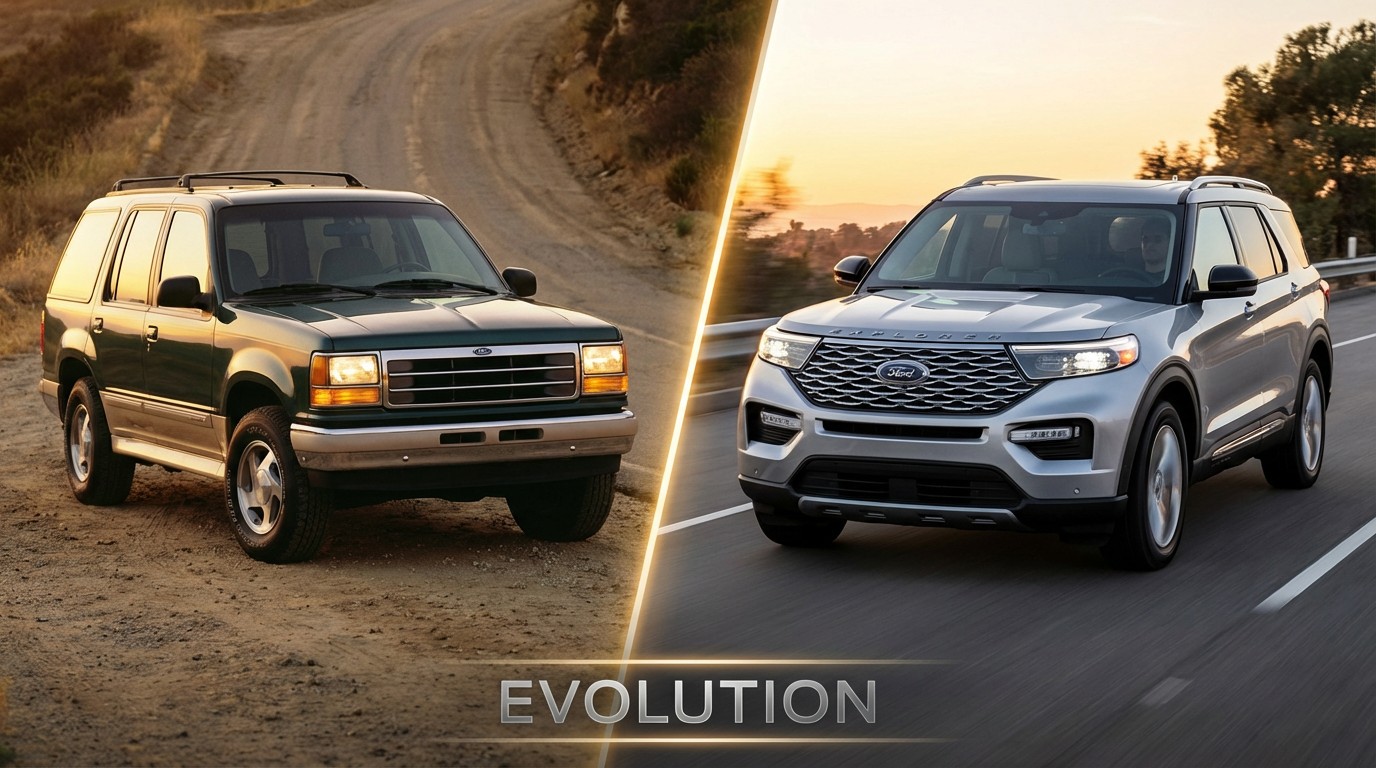
The Ford Explorer’s model-year trend reads like a before-and-after safety ad campaign written by actuaries: 503 fatal crash involvements for the 2002 model year, versus just 8 for 2022. That is a 98.4% reduction in FARS fatal crash counts for the nameplate across two decades.
The 2002 Explorer hit peak danger in a perfect storm era: rollover headlines, the Firestone tire-failure panic that killed over 270 people and triggered a recall of 14.4 million tires[4], and SUV dynamics that were less forgiving when drivers made one bad input at highway speed. In the model-year data, that generation towers over nearly everything around it. Then the cliff begins: 340 in 2003, 287 in 2004, 155 in 2005, and down into double digits and low double digits in modern years.
This was not luck. Stability control spread[5]. Airbag coverage improved. Crash structures got smarter and stiffer where they needed to be, softer where they could be. Most importantly, the Explorer eventually moved away from old truck-like architecture to a modern crossover formula[6] that gave engineers more tools to manage both crash energy and rollover risk. Same badge, different machine.
There is still a grim accounting detail behind the celebration. The Explorer remains one of the highest total-death models in the file, with 3,797 deaths across the 2014–2023 FARS window. Safer new generations do not erase older vehicles still being driven daily, often by buyers shopping on price, not model-year safety performance. Engineering fixed the trajectory. Fleet turnover decides how fast the road actually gets safer.